

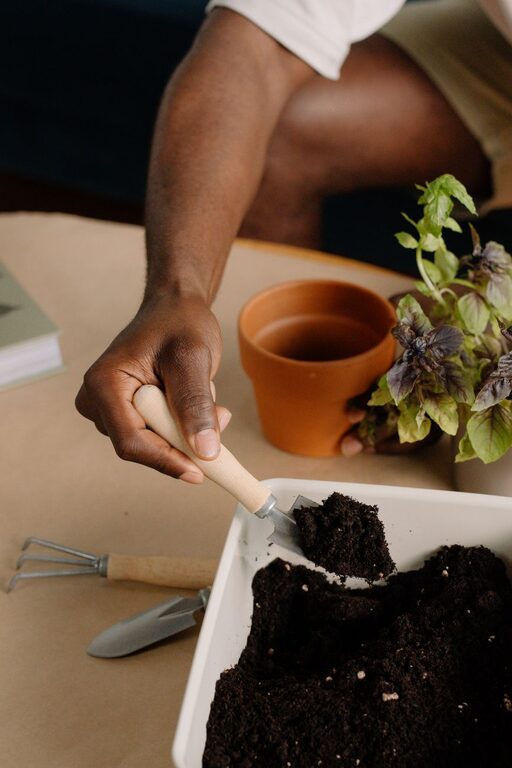
Starting a small herb garden indoors is a rewarding and practical way to bring fresh flavors to your kitchen. Whether you have limited outdoor space or prefer to garden year-round, growing herbs inside is simple and fun. This guide will take you through everything you need to know to get your indoor herb garden started.
Why Grow Herbs Indoors?
Indoor herb gardening offers many benefits. Fresh herbs are always at your fingertips for cooking, teas, and garnishes. You can control growing conditions more easily indoors, making it possible to grow herbs regardless of the season. Additionally, herbs can brighten up your living space and improve air quality.
Choosing the Right Herbs
Some herbs thrive better indoors than others. Beginner gardeners should start with herbs that are easy to grow and maintain.
– Basil: Loves warmth and sunlight, perfect for sunny windowsills.
– Parsley: Tolerates moderate light and grows well indoors.
– Thyme: Requires good light and little water.
– Chives: Hardy and easy to care for.
– Mint: Grows quickly but keep it in its own pot to prevent spreading.
– Cilantro: Prefers cooler temperatures and moderate sunlight.
Selecting Containers and Soil
Choose containers with drainage holes to prevent waterlogging. You can use small pots, recycled containers, or a dedicated herb planter. Consider the size of the mature plant when selecting pots—most herbs do well in 4 to 6-inch pots.
Use a high-quality potting mix designed for indoor plants. Avoid garden soil, which can be too heavy and may contain pests or diseases.
Finding the Best Location
Most herbs need at least 6 hours of sunlight daily. A south- or west-facing window is usually ideal. If natural light is limited, consider using grow lights designed for plants. Position your herbs near the light source, and rotate the pots every few days to ensure even growth.
Planting Your Herb Garden
You can start herbs from seeds or purchase young plants from a nursery. Here are steps for planting:
- Fill your pots with potting mix, leaving about an inch of space at the top.
- If planting seeds, follow the instructions on the packet for depth and spacing.
- Water gently but thoroughly after planting.
- If transplanting seedlings, loosen the root ball slightly before placing them in the soil.
- Place the pots in your chosen location.
Caring for Your Indoor Herb Garden
Proper care will keep your herbs healthy and productive.
Watering
Water when the top inch of soil feels dry. Overwatering can cause root rot, so allow the soil to dry slightly between waterings. Herbs like thyme and rosemary prefer drier conditions, while basil and parsley like consistent moisture.
Fertilizing
Feed your herbs every 4 to 6 weeks with a balanced, water-soluble fertilizer at half strength. Avoid over-fertilizing, which can lead to weak growth.
Pruning and Harvesting
Regularly pinch back the tips of your herbs to encourage bushy growth. Use scissors to harvest leaves, cutting just above a leaf node to promote new shoots. Avoid removing more than one-third of the plant at a time.
Troubleshooting Common Issues
– Yellowing leaves: Often a sign of overwatering or poor drainage.
– Leggy growth: Indicates insufficient light; move plants closer to a window or add grow lights.
– Pests: Indoor herbs can attract aphids or spider mites. Wipe leaves with a damp cloth or use insecticidal soap if needed.
Tips for a Successful Indoor Herb Garden
– Group herbs with similar light and water needs together.
– Keep humidity moderate; occasionally misting your herbs can help.
– Clean the pots and replace soil annually to prevent disease.
– Label your herbs to easily identify them.
Enjoying Your Herb Garden
Use your homegrown herbs to enhance salads, soups, and drinks. Fresh herbs add vibrant flavor and aroma without the need for preservatives or extra salt. Plus, caring for your indoor garden can be a relaxing and satisfying hobby.
Growing a small herb garden indoors is achievable for anyone, even with limited space and experience. With the right choice of herbs, containers, and care, you’ll enjoy a fresh supply of herbs all year round. Happy gardening!