

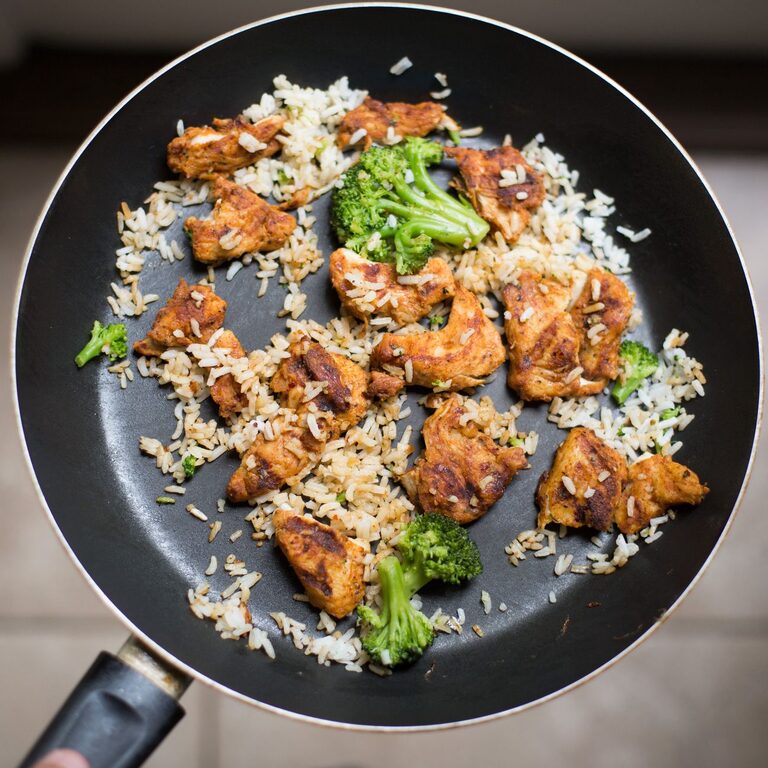
Making dinner is often the fun part of the evening, but cleaning up afterward can feel like a chore. If you dread the mountain of dishes and mess left behind, you’re not alone. Fortunately, there are many strategies to make dinner cleanup easier and faster. Whether you cook for one or a family, these ideas can help keep your kitchen tidy and reduce the stress of cleaning.
Plan Ahead to Reduce Mess
Use Simple, One-Pot or One-Pan Meals
One of the easiest ways to cut down on cleanup is to minimize the number of pots and pans you use. Try recipes that cook all ingredients together in a single pot, pan, or sheet tray. Examples include stir-fries, casseroles, skillet meals, and sheet-pan dinners. This not only makes cooking simpler but also means fewer dishes at the end.
Prepare Ingredients in Advance
Chopping veggies and measuring spices before cooking helps keep your workspace uncluttered. Using prep bowls to hold chopped ingredients can reduce mess on countertops. When everything is ready, cooking flows smoothly, and cleaning can start sooner.
Smart Cooking Habits
Clean as You Go
Washing or rinsing utensils and cookware while food is cooking saves time later. Wipe down counters and stove spills immediately to prevent stains. This habit keeps your kitchen cleaner and your post-dinner cleanup less overwhelming.
Soak Pots and Pans Immediately
If you have stubborn food stuck on cookware, fill them with warm soapy water and let them soak while you eat. This softens residue, making scrubbing easier.
Organize Your Kitchen for Easy Cleanup
Keep Cleaning Supplies Handy
Store dish soap, sponges, and towels within arm’s reach of your sink. Having everything close by encourages quick cleanup and reduces the temptation to put it off.
Use Dishwasher Wisely
Rinse dishes to prevent food from drying on them and load your dishwasher right after dinner. Running the dishwasher overnight ensures clean dishes are ready the next day.
Use Disposable or Reusable Liners
Place liners in baking trays and pans to reduce scrubbing. Silicone mats and parchment paper work well and are easy to clean or dispose of after use.
Simplify Dishwashing
Load Dishes Immediately After Eating
Instead of letting dirty dishes pile up, take a few minutes to rinse and stack them in the sink or dishwasher. It prevents food from hardening and keeps your kitchen looking tidy.
Air Dry or Use a Dish Rack Efficiently
After washing, place dishes in a dish rack to air dry. Avoid wet piles by drying or putting dishes away promptly.
Use Efficient Tools
Invest in a good dish brush, scrubber, and drying rack. These will make washing faster and more effective.
Involve Family or Housemates
Share the Load
Encourage everyone at the table to clear their dishes and help with cleaning. Assigning small tasks makes the process quicker and less overwhelming.
Make Cleanup a Fun Activity
Turn cleanup into a game or challenge to make it less of a chore, especially with kids. Play music or set a timer to see how quickly everyone can help.
Quick Tips for a Clean Kitchen
– Wipe spills as soon as they happen.
– Use mats or towels to catch crumbs and splatters.
– Store leftover food in reusable containers immediately.
– Keep trash or compost bins nearby for easy disposal.
– Regularly declutter your kitchen to make cleaning simpler.
Conclusion
Dinner cleanup doesn’t have to be a dreaded task. By planning ahead, adopting smart cooking habits, organizing your kitchen, and involving others, you can make cleanup faster and easier. These tips not only save time but also create a more enjoyable cooking experience. Try a few strategies tonight and see how much smoother your post-dinner routine becomes!