

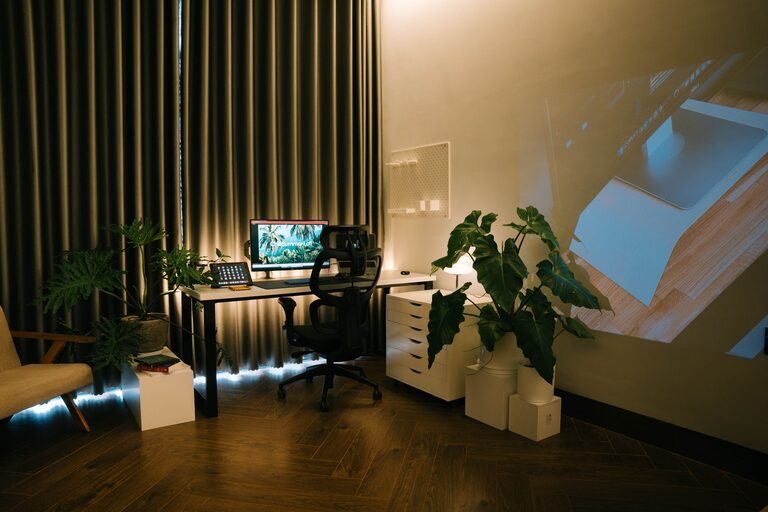
Creating a relaxing home workspace is essential for maintaining focus, reducing stress, and enhancing your overall work-from-home experience. With many people spending increasing amounts of time at their desks, a comfortable and calming environment can make a big difference in productivity and well-being. Whether you have a dedicated office or just a small corner in your home, you can design a space that feels peaceful and inspires creativity.
In this post, we’ll explore practical tips and ideas to help you create a relaxing workspace tailored to your needs.
Why a Relaxing Workspace Matters
Before diving into design tips, it’s important to understand why a relaxing environment matters. Stress and distractions can negatively impact your work quality and efficiency. By creating a space that promotes calmness, you:
– Improve concentration and focus.
– Reduce feelings of overwhelm and anxiety.
– Encourage creativity and motivation.
– Enhance your overall work satisfaction.
Choosing the Right Location
Start by selecting the best spot in your home for your workspace. Consider these factors:
– Natural Light: Position your desk near a window if possible. Natural light boosts mood and reduces eye strain.
– Quietness: Choose a place away from high-traffic areas or noisy appliances.
– Space: Ensure enough room for your desk, chair, and any essential tools you need.
If space is limited, use room dividers or curtains to create a defined work zone that mentally separates work from relaxation areas.
Ergonomic Furniture for Comfort
Comfort is key for a relaxing workspace. Invest in furniture that supports good posture:
– Chair: Use an adjustable chair with lumbar support to prevent back pain.
– Desk: Ensure your desk height allows your arms to rest comfortably while typing or writing.
– Monitor Setup: Place your computer screen at eye level to avoid neck strain.
Adding a footrest or ergonomic keyboard and mouse can also improve comfort during long work sessions.
Declutter and Organize
A cluttered space can increase stress and make it hard to focus. Keep your workspace tidy by:
– Minimizing items on your desk to just the essentials.
– Using organizers like trays, drawer dividers, or shelves to store supplies.
– Implementing cable management tools to reduce tangled cords.
Take a few minutes at the end of each day to clear your desk. A clean space helps create a calm mindset.
Incorporate Calming Colors
Colors have a strong impact on mood. Choose soothing colors for your workspace walls and décor, such as:
– Soft blues or greens, which evoke tranquility.
– Neutral tones like beige or light gray for a clean look.
– Avoid overly bright or bold colors that may cause distraction.
You can also add colored accessories like cushions or artwork to personalize your space without overwhelming it.
Add Natural Elements
Bringing nature indoors can help reduce stress and promote relaxation. Consider:
– Houseplants: Small potted plants like succulents or peace lilies add greenery and improve air quality.
– Natural materials: Wooden furniture or bamboo accessories add warmth and texture.
– Natural light: Open windows or use sheer curtains to let sunlight in.
If you don’t have access to natural light, consider full-spectrum bulbs that mimic daylight.
Control Lighting
Good lighting is crucial for comfort and focus:
– Use a combination of ambient lighting and task lighting.
– Avoid harsh overhead lights; opt for soft, adjustable desk lamps.
– Position lights to reduce glare on your computer screen.
Dimmable lights allow you to adjust brightness based on the time of day.
Personalize Your Space
Make your workspace welcoming and inspiring by adding personal touches:
– Photos of loved ones.
– Motivational quotes or artwork.
– A cozy throw blanket or cushion.
Keep decoration minimal to avoid clutter, but enough to make the space uniquely yours.
Manage Noise Levels
Noise can be a major distraction. To create a peaceful environment:
– Use noise-canceling headphones or white noise machines.
– Play soft instrumental music if it helps you focus.
– Close doors or windows to block out external sounds.
Consider adding soft textiles like rugs or curtains that absorb sound.
Create a Routine and Boundaries
A relaxing workspace also depends on how you use it. Establish habits that support calmness:
– Start your day by tidying your desk.
– Take regular breaks to stretch and rest your eyes.
– Set clear work hours and avoid working from your relaxation spaces like the couch or bed.
These boundaries help your mind associate your workspace with productivity and calmness.
Incorporate Relaxation Tools
To encourage short breaks and relaxation during work hours, keep some stress-relief items nearby:
– A stress ball or fidget toy.
– Essential oil diffuser with calming scents like lavender or eucalyptus.
– A small water fountain or soothing sound machine.
These tools can help you reset and come back to work refreshed.
Final Thoughts
Creating a relaxing home workspace is about balancing functionality with comfort and personal style. By choosing the right location, organizing your space, incorporating calming colors and natural elements, and setting boundaries, you can design an environment that helps you work more efficiently and feel better throughout the day.
Start small with a few of these tips and gradually build your ideal workspace. Your mind and productivity will thank you for it!