

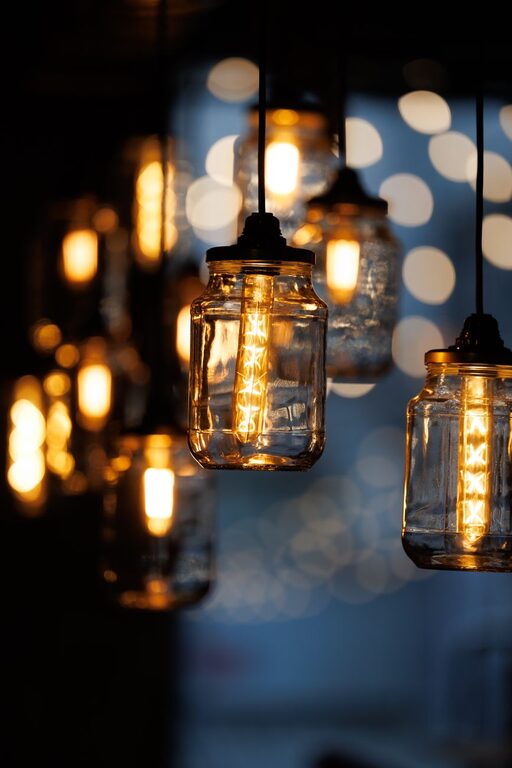
Lighting plays a crucial role in shaping the ambiance and functionality of your living space. Comfortable home lighting not only enhances the aesthetic appeal of your rooms but also contributes to your well-being and productivity. Whether you’re reading, cooking, or relaxing, the right lighting can make all the difference. This guide offers helpful tips to choose lighting that is both comfortable and effective for your home.
Understanding Comfortable Lighting
Comfortable lighting refers to illumination that is easy on the eyes, enhances the mood, and suits the intended activities within a space. Poor lighting can cause eye strain, headaches, or discomfort, while well-designed lighting improves visibility and creates a welcoming atmosphere.
Key factors in comfortable lighting include:
– Brightness (lumens)
– Color temperature (Kelvin)
– Light distribution and placement
– Control options (dimmers, smart controls)
Consider the Purpose of Each Room
Lighting needs vary depending on the room’s function. Start by assessing how you use each space:
Living Room
The living room is a place for relaxation, socializing, and sometimes work or hobbies. Use a mix of ambient lighting for general illumination and task lighting for reading or other activities. Adjustable lamps and dimmable fixtures add flexibility.
Kitchen
Bright, clear lighting is important in the kitchen for safety and precision. Combine overhead lights with under-cabinet lighting to avoid shadows on work surfaces.
Bedroom
Choose soft, warm lighting to create a calming retreat. Bedside lamps or wall sconces provide gentle illumination without disrupting sleep patterns.
Bathroom
Bathrooms benefit from bright, shadow-free lighting around mirrors for grooming tasks, combined with softer ambient light for comfort.
Select the Right Bulbs
Your choice of bulbs influences the comfort and efficiency of your lighting system.
Brightness
Brightness is measured in lumens. For comfortable lighting, aim for:
– Living rooms: 1,500–3,000 lumens total
– Kitchens: 3,000–4,000 lumens total
– Bedrooms: 1,000–2,000 lumens total
– Bathrooms: 3,000–4,000 lumens total
Color Temperature
Color temperature affects the mood and functionality:
– Warm light (2700K–3000K) creates a cozy, inviting atmosphere—ideal for living rooms and bedrooms.
– Neutral light (3500K–4100K) is good for kitchens and bathrooms where clarity is important.
– Cool light (5000K–6500K) mimics daylight and is suitable for task-oriented spaces or offices.
Energy Efficiency
LED bulbs are the best choice as they use less energy, last longer, and generate less heat compared to incandescent or halogen bulbs.
Layer Your Lighting
A well-lit space typically includes three layers:
- **Ambient Lighting**: The main source of light that provides overall illumination.
- **Task Lighting**: Focused lights directed at specific areas, such as reading lamps or kitchen counters.
- **Accent Lighting**: Highlights architectural features, artwork, or decorative elements.
Layering light helps avoid harsh shadows and adds depth and warmth to your rooms.
Consider Lighting Placement and Fixtures
Proper placement enhances comfort and effectiveness.
– Avoid placing lights directly above screens or reflective surfaces to minimize glare.
– Use lampshades or diffusers to soften the light.
– Position task lights at angles that reduce shadows.
– Explore fixtures like pendant lights, floor lamps, or recessed lighting to fit your style and space.
Incorporate Dimmers and Smart Controls
Dimmers allow you to adjust brightness according to time of day and activity, reducing eye strain and saving energy. Smart lighting systems offer remote control and preset modes, making it easy to create the right ambiance effortlessly.
Pay Attention to Natural Light
Natural daylight is the most comfortable and healthy source of illumination. Maximize it by:
– Keeping windows unobstructed
– Using sheer curtains to diffuse harsh sunlight
– Positioning mirrors to reflect and distribute daylight
Balancing natural and artificial light ensures a bright, cheery space without over-reliance on electric lighting during the day.
Avoid Common Lighting Mistakes
– Too much contrast: Extremely bright lights next to dark areas can cause eye strain.
– Overhead-only lighting: Relying solely on ceiling fixtures can create flat and uninviting spaces.
– Neglecting maintenance: Dirty fixtures or yellowed bulbs reduce the quality of light.
– Ignoring bulb color: Using the wrong color temperature can make a space feel unnatural or uncomfortable.
Final Tips for Comfortable Home Lighting
– Test different lighting arrangements and bulbs before finalizing your setup.
– Use bulbs with a high Color Rendering Index (CRI) over 80 for truer colors.
– Group lights on separate switches for flexibility.
– Match lighting style with your interior decor for cohesive design.
By taking the time to plan and choose the right lighting, you create a home environment that is both visually pleasing and easy on your eyes. Comfortable lighting enhances your daily experiences, making your home a cozy and functional haven.