

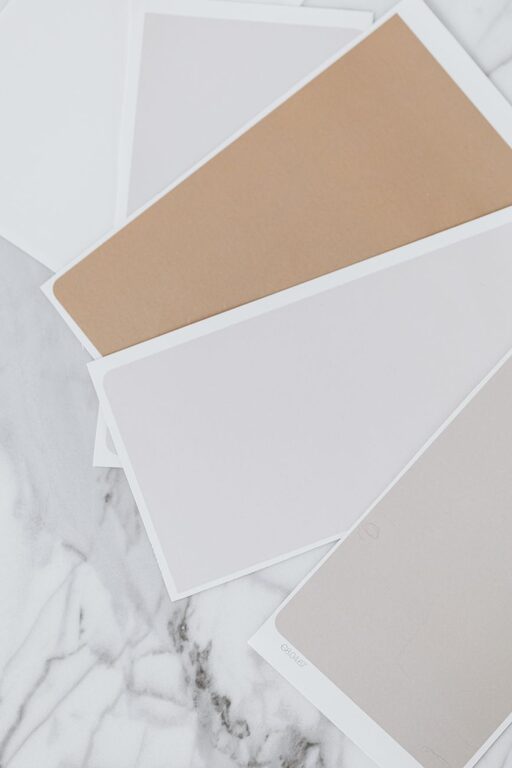
Creating a calm and inviting atmosphere in your home starts with the colors you choose for your walls and decor. Colors have a powerful impact on mood and can either energize or soothe those who spend time in a space. If your goal is to cultivate a relaxing and peaceful environment, selecting the right calm colors is essential.
In this post, we’ll explore practical tips to help you choose colors that promote tranquility in your home.
Why Choose Calm Colors?
Calm colors are typically soft, muted shades that help reduce stress and create a sense of serenity. Unlike bold or bright colors, calm tones are less stimulating, making them ideal for spaces where you want to unwind, such as bedrooms, living rooms, or bathrooms.
Choosing calm colors can:
– Improve your overall mood
– Encourage relaxation and restful sleep
– Enhance a feeling of spaciousness and openness
– Create a welcoming and cozy environment
Popular Calm Color Families
When thinking about calm colors, some familiar families come to mind:
Blues
Blue is a classic calming color often associated with the sky and ocean. Soft blues, like powder or sky blue, can help reduce anxiety and promote a sense of peace.
Greens
Green brings a natural feeling of balance and renewal. Light shades like sage or mint green create a fresh but gentle atmosphere.
Neutrals
Neutral colors such as beige, taupe, soft gray, and off-white offer understated elegance. They serve as excellent backdrops that complement other decor elements without overwhelming the senses.
Soft Pastels
Colors like blush pink, lavender, and pale peach add a subtle warmth and softness, making spaces feel cozy and inviting.
Tips for Choosing Calm Colors
1. Consider the Room’s Purpose
Think about how you use each room. For example, bedrooms and reading nooks benefit from more muted and soothing colors to encourage rest. Living rooms can incorporate calm colors with slightly warmer undertones to invite socializing without feeling too intense.
2. Test Samples in Natural Light
Paint colors can look very different depending on lighting. Take samples of your favorite shades and observe them throughout the day, checking how sunlight and artificial lights affect the hue.
3. Use Color Psychology as a Guide
While personal preference is key, understanding how colors affect mood can help. For instance, blue’s calming effect makes it great for bedrooms, while green’s refreshing quality suits kitchens and study areas.
4. Stick With Soft and Muted Tones
Avoid bright and saturated colors when aiming for calmness. Colors with gray or white mixed in tend to be less intense and more soothing.
5. Create a Cohesive Color Palette
Choose three to four complementary colors to use throughout your space, including walls, furniture, and accents. This brings harmony and prevents the space from feeling chaotic.
6. Balance Color With Texture and Lighting
Soft colors can sometimes appear flat if not paired with interesting textures or layered lighting. Incorporate textiles like cushions, rugs, and curtains, and use varied lighting sources to add depth.
7. Think Beyond Walls
Calm colors aren’t limited to paint. Consider incorporating calm hues through furniture, artwork, and decorative items to reinforce the peaceful vibe.
Examples of Calm Color Combinations
– Soft blue walls with white trim and beige furnishings
– Sage green paired with warm wood tones and cream accents
– Light gray background enriched with navy blue and pale pink accessories
– Blush pink walls complemented by white and natural rattan furniture
Avoiding Common Mistakes
– Don’t rush to choose a color without testing it in your space.
– Avoid overly cool tones in rooms without much natural light, as they can feel cold and uninviting.
– Be cautious with too many pastels, which can make a room feel overly feminine or fragile unless balanced properly.
Final Thoughts
Choosing calm colors for your home can transform your living spaces into peaceful retreats. By considering the function of your rooms, testing paint samples, and selecting soft, muted tones within a cohesive palette, you’ll create a soothing environment tailored to your taste.
Remember, the goal is to foster comfort and tranquility, so trust your instincts and enjoy the process of making your home a calm haven. Happy decorating!